
Compare Gwinnett Property Values
Gwinnett's annual assessment notice splits several numbers apart. The full appraised value stands separately from the assessed value and the net taxable amount. Sale consideration belongs to a transaction record instead, so keep each figure in its own lane before comparing it.
| Value | What It Is | Where |
|---|---|---|
| Appraised value | Assessor's 100% fair-market estimate | Annual notice and parcel data |
| Assessed value | 40% of appraised value under the notice format | Assessor notice |
| Net taxable value | Value after applicable exemptions | Notice by taxing authority |
| Last sale price | Consideration tied to a past conveyance | Deed or PT-61 context |
The assessed figure is not a selling price. It is a tax-system number. Gwinnett's notice applies a 40% assessed value beside the 100% appraised figure, and exemptions can lower the net taxable amount without touching the fair-market estimate behind it.
Read Gwinnett Assessment Fields
The annual notice lists a lot of detail. Tax year, notice date, appeal deadline, market area, parcel number, and tax district all appear, along with the physical description, prior and current values, exemptions, and the reason for notice. It is not the property-tax bill. GIS adds its own fields. Land, dwelling, total, and tax-total values there must be tied to the same year before any comparison. A current map field beside an older deed price is not an apples-to-apples measure.
Separate Gwinnett Value Components
The parcel layer separates land value, dwelling value, and total value into distinct fields. That split shows how the county allocates an assessment between the site and its improvements. It does not state a rebuild cost. Nor does it cover personal property inside. Property class, market-area code, assessment neighborhood, acreage, and legal description add context. A total can still look wrong. Confirm the PIN and tax year match first. The annual notice also displays previous, current, and possible “Current Year Other Value” fields, and preferential treatment can make that other figure important, though it should never be renamed or treated as a sale estimate. Preserve notice labels exactly. The taxing authority should stay as shown. Keep exemption codes and net taxable value as shown. A dwelling component may be absent for vacant land, while a condominium parcel can follow a unit and parent relationship. Parcel type matters. Compare the property description and legal acreage before using the component split to explain why two nearby Gwinnett property values differ.
Inspect Gwinnett Value Data
The official Gwinnett parcel-layer metadata lists land, dwelling, total, tax, owner, and deed-reference fields.
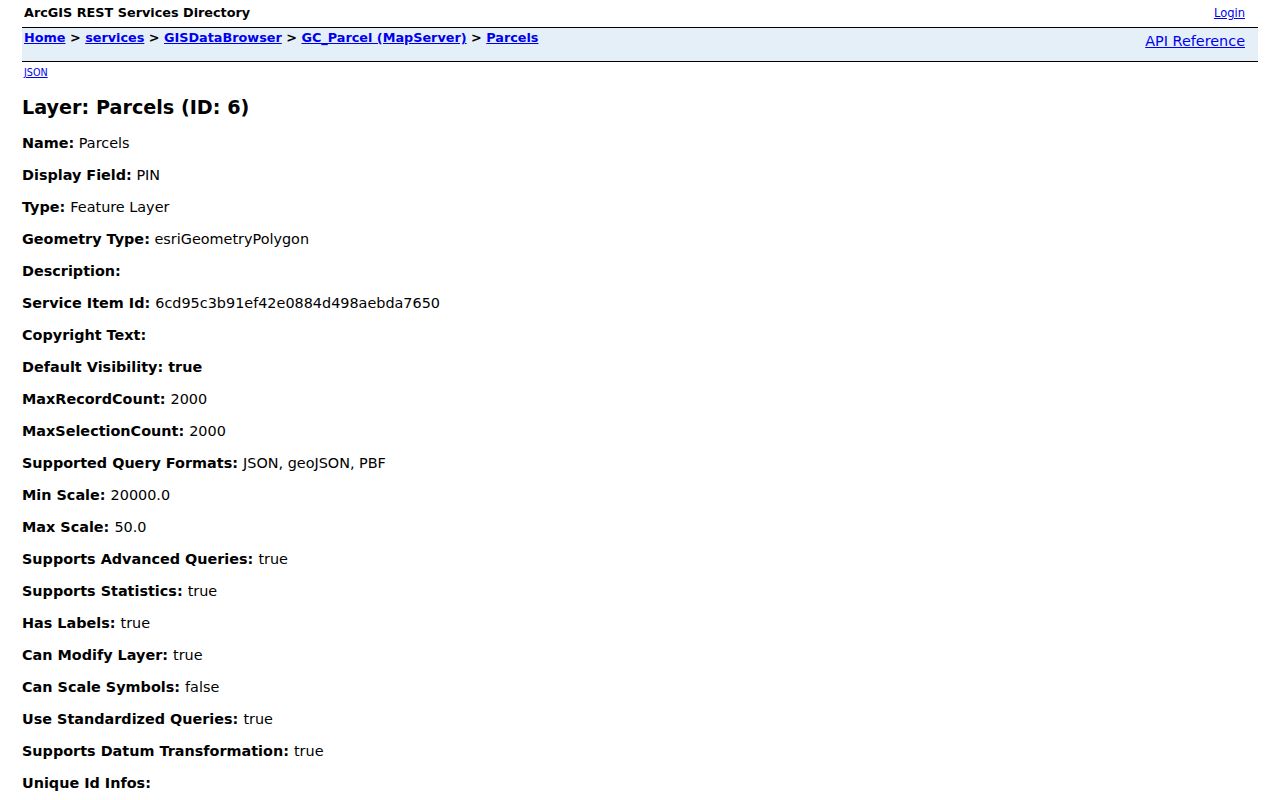
The field inventory helps you pick the right number.
Estimate Gwinnett Record Value
Use the parcel key and tax year to keep the lookup exact.
- Search the address or PIN through Gwinnett Assessor property information.
- Record the tax year, appraised value, assessed value, exemptions, and net taxable amount.
- Check land and dwelling components in county parcel data.
- For a transaction comparison, inspect the matching deed and sale context.
- Assessed value
- The statutory assessment-level amount used in the tax system.
- Appraised value
- The Assessor's full fair-market estimate.
- Sale consideration
- The amount stated or reported for a conveyance, subject to deed context.
- Reassessment
- A later official review that can change recorded value.
Compare Gwinnett Sale Evidence
The Assessor's neighborhood sales and recent-sales tools are research aids. A sale still needs the right parcel and deed. Family transfers are one caution. Partial interests, estate instruments, and other deed types may not represent an open-market sale. Treat a sale price as historical evidence. Time, condition, improvements, easements, and market change can separate a past transfer from a current appraisal. GSCCCA's real-estate search includes name, book and page, selected-county property, and premium PT-61 address or map routes, so deed type and consideration context matter when reading a recorded figure. A quitclaim between relatives proves little. An executor deed may carry its own distortions. A transfer of only part of a tract can supply a number that is not a fair comparison for the whole parcel. Match class, location, date, size, and improvement type first. Assessment neighborhood and market-area codes are useful organizing clues, not proof that two properties share identical condition or rights.
Track Gwinnett Value Dates
Gwinnett's quarterly owner and value download preserves a dated snapshot. The annual notice preserves a tax-year assessment and an appeal deadline. The deed preserves a recording event, so write the date beside every value. A notice value can change through later administrative action. For tax-bill, exemption, or appeal procedure, use the Gwinnett property-tax record. This value analysis stops at what the numbers mean. Note: A blank or blocked Assessor result can be followed through GIS, the quarterly download, or an Open Records request.
Limit Gwinnett Value Conclusions
An assessed value is a public tax-system figure. It cannot capture every defect, restriction, or buyer preference. A deed price looks backward, and a map value is only as current as its source year.
Value is not price. A Gwinnett assessed value is not what a property will sell for and is not a licensed appraisal.
Treat the recorded figures as documented benchmarks. For a transaction-specific opinion, obtain an appraisal and the appropriate title or survey work.